
about us
Gaza: The effects of war on children
The grim realities of war are once again starkly evident in the ongoing wars in Sudan and the Middle East, in particular Gaza and Syria, where children and communities endure unimaginable suffering amidst relentless violence and siege conditions. The psychological toll of war on children in these conflict-ridden regions is profound, compounded by the pervasive threat of violence, loss of loved ones, displacement and the spectre of famine and starvation.
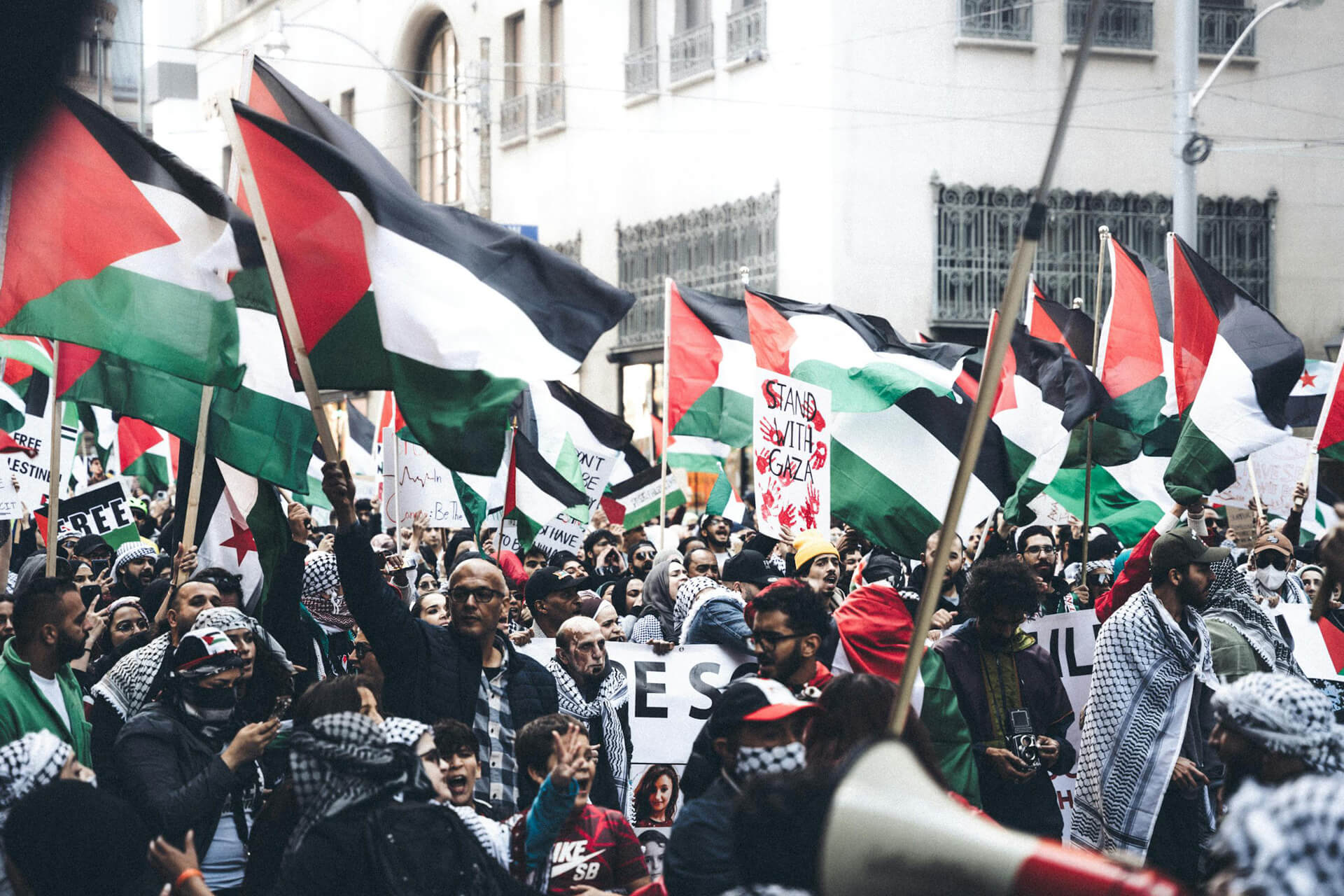
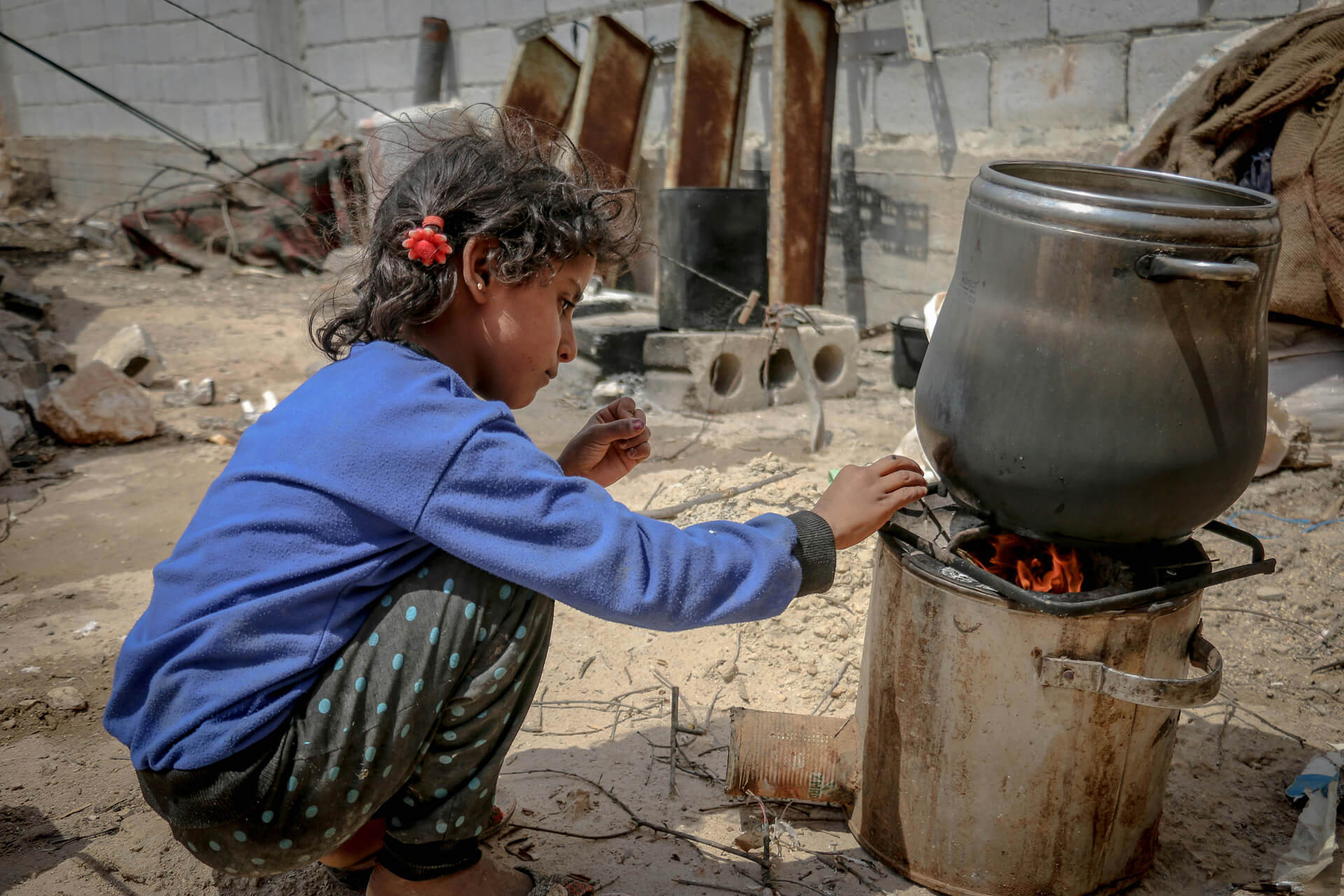
Scientific research on the psychological impact of war on children provides valuable insights into the long-term consequences of exposure to violence and trauma. Studies conducted in conflict zones have consistently shown that children are highly vulnerable to developing a range of mental health disorders, including post-traumatic stress disorder (PTSD), anxiety, depression and behavioral problems. The protracted nature of conflicts in Gaza and Syria exacerbates these risks, as children are subjected to prolonged exposure to violence and deprivation. Research published in the Journal of Traumatic Stress highlights the heightened risk of PTSD among children living in war-affected areas, with prevalence rates ranging from 30% to 50% (Thabet et al., 2015).
Moreover, the siege conditions imposed on populations in Gaza and Syria contribute to a pervasive sense of despair and hopelessness, further exacerbating psychological distress. The blockade of essential goods, including food, medicine, and humanitarian aid, has led to widespread deprivation and suffering, with children bearing the brunt of the crisis. The United Nations has warned of an imminent humanitarian catastrophe in Gaza, where nearly 70% of the population relies on humanitarian assistance to meet their basic needs (United Nations, 2021). Similarly, in Syria, the besieged population in areas like Eastern Ghouta, Idlib and now Rafah had faced severe shortages of food and medical supplies, leading to malnutrition and starvation among children (Physicians for Human Rights, 2020; Reuters, 2024)
Historically, similar patterns of psychological trauma and collective suffering have been observed in other conflict-ridden regions, underscoring the cyclical nature of war and its devastating impact on civilian populations. During the Siege of Sarajevo in the 1990s, children endured years of relentless shelling and sniper attacks, resulting in widespread psychological trauma and PTSD (Steel et al., 2009). Similarly, in the Gaza Strip, the recurrent cycles of violence and blockade have taken a heavy toll on the mental health of children, with studies documenting high rates of PTSD and depression among Gaza's youth (Giacaman et al., 2018).
Narratives from those directly affected by the occupations in Gaza and Syria provide poignant insights into the lived experiences of children and besieged communities. Accounts of children witnessing the destruction of their homes, losing family members, and struggling to access basic necessities paint a vivid picture of the profound trauma inflicted by war and siege conditions. Stories of resilience and courage amidst adversity offer glimpses of hope amidst the despair, highlighting the human capacity for survival and healing even in the face of unimaginable suffering.
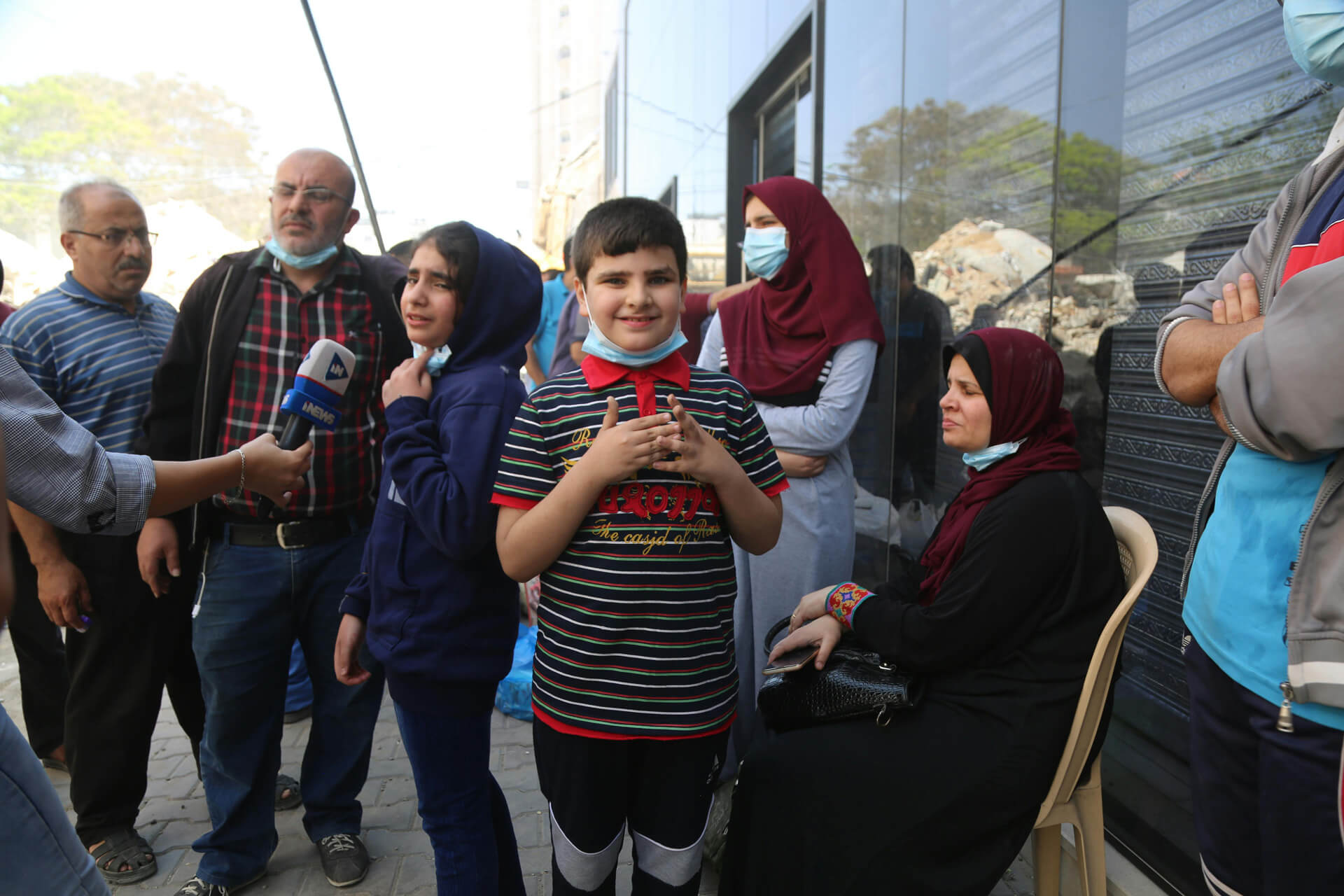
In conclusion, the occupations in Gaza and Syria have exacted a heavy toll on the psychological well-being of children and besieged populations. The relentless violence, deprivation, and siege conditions have led to widespread trauma, despair, and suffering, with long-lasting consequences for mental health and well-being. Urgent action is needed to address the humanitarian crises unfolding in these conflict-ridden regions and support the mental health and resilience of affected children and communities.
References:
- Thabet, A. A., et al. (2015). Trauma, PTSD, anxiety, and coping strategies among Palestinians adolescents exposed to war in Gaza. Health Care for Women International, 36(6), 615-632.
- Reuters (2024). Fear of famine grows in Gaza as emaciated children seen at hospitals. https://www.reuters.com/pictures/fear-famine-grows-gaza-emaciated-children-seen-hospitals-2024-03-05/TXZB5RBS7ZIHFIW2YVDKSNYJLQ/
- United Nations. (2021). Humanitarian Needs Overview: Occupied Palestinian Territory. UN Office for the Coordination of Humanitarian Affairs.
- Physicians for Human Rights. (2020). Syria: A Decade of Destruction. Physicians for Human Rights.
- Steel, Z., et al. (2009). The mental health of refugees: Trauma, PTSD, and depression among Bosnian refugees resettled in Australia. Social Psychiatry and Psychiatric Epidemiology, 44(11), 981-987.
- Giacaman, R., et al. (2018). The psychosocial impact of the Gaza war 2008-2009: A representative cross-sectional study of the impact of exposure to trauma on mental health in the Gaza Strip. BMC Public Health, 18(1), 1-13.